Independent research for real-world impact
Research today.More capable tomorrows.
Kira Labs builds experimental AI systems that study learning, memory and continuity. Our projects connect cognitive research, synthetic people, medical-avatar studies and future robotics—with measured results and clear limitations.
Research evidence · updated October 21, 2026
Measured results.
Clear limitations.
Documented experiments include both passing engineering checks and learning setbacks. The numerical tests are internally verified; external replication and broader learning demonstrations remain open.
Browse downloadable reports, test results and real images →NewBrain October 21: a separate controlled multi-token teaching experiment reached 2/3 → 3/3 → 3/3 after restart with three explicitly rehearsed questions. This does not change Original12 (2/12). Read the new result and methods →
Evelyn Hart motion update: A separate verified October 20 test now shows eyes closing and reopening with 69.9% left / 72.5% right closure against a 65% requirement. View recorded images and independent check → Her generated voice remains unverified.
These results measure different experiments and must not be combined into one score. A separate five-question trial declined from 2/5 to 0/5 after training and remained 0/5 after reload. A distinct-process reload preserved all three explicitly rehearsed answers in the short test. A newer, separate longer-answer test remained 2/3 before and after training: the first answer token improved, but the model stopped before producing required source/version tokens. Neither test establishes held-out generalization. Sampled gradients and one-step update accuracy do not independently establish broad useful learning.
Explore our research programs
Distinct projects. A connected vision.
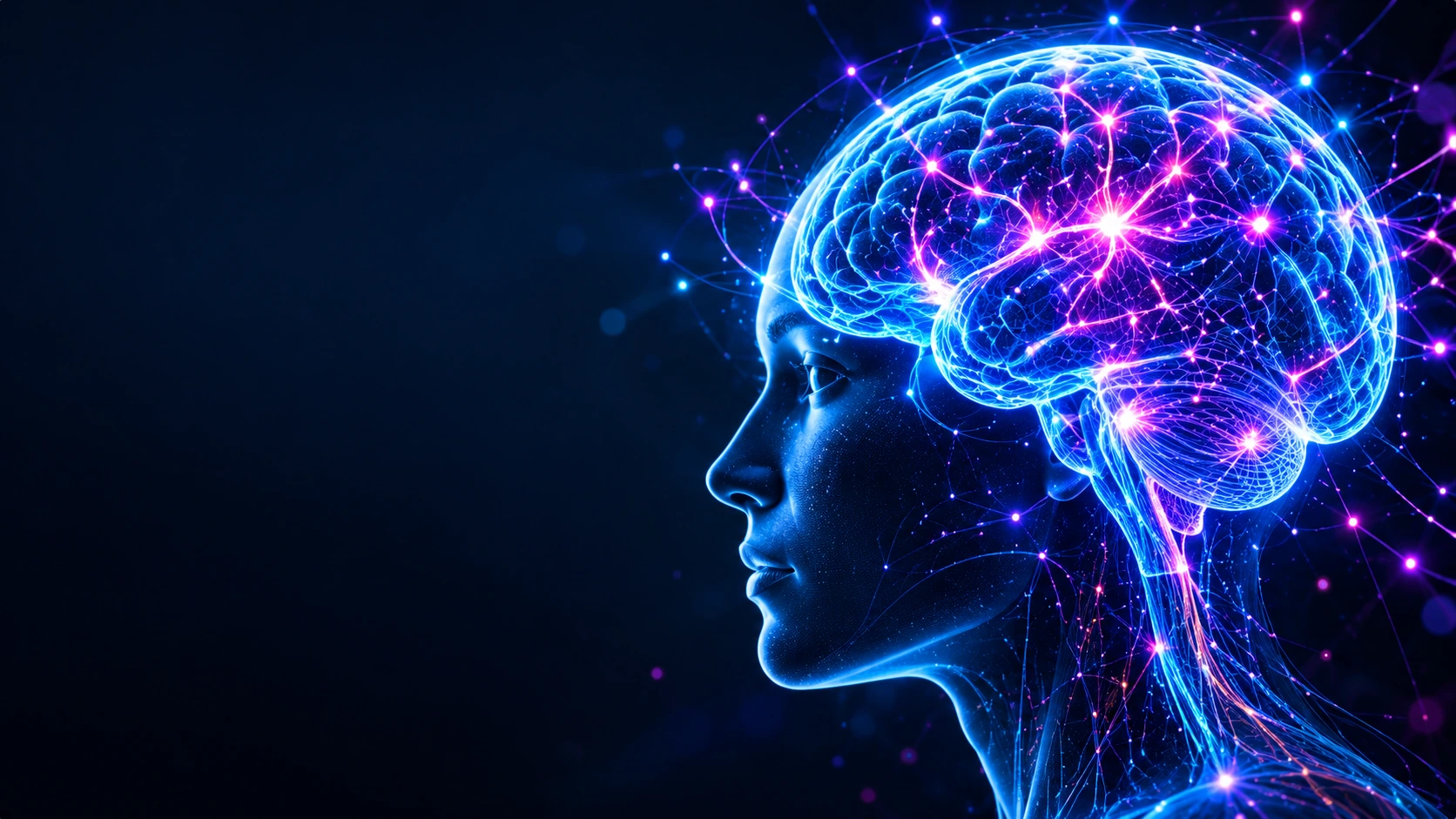
Experimental learning and memory with verified engineering checks and unresolved acquisition tests.
Explore NewBrain →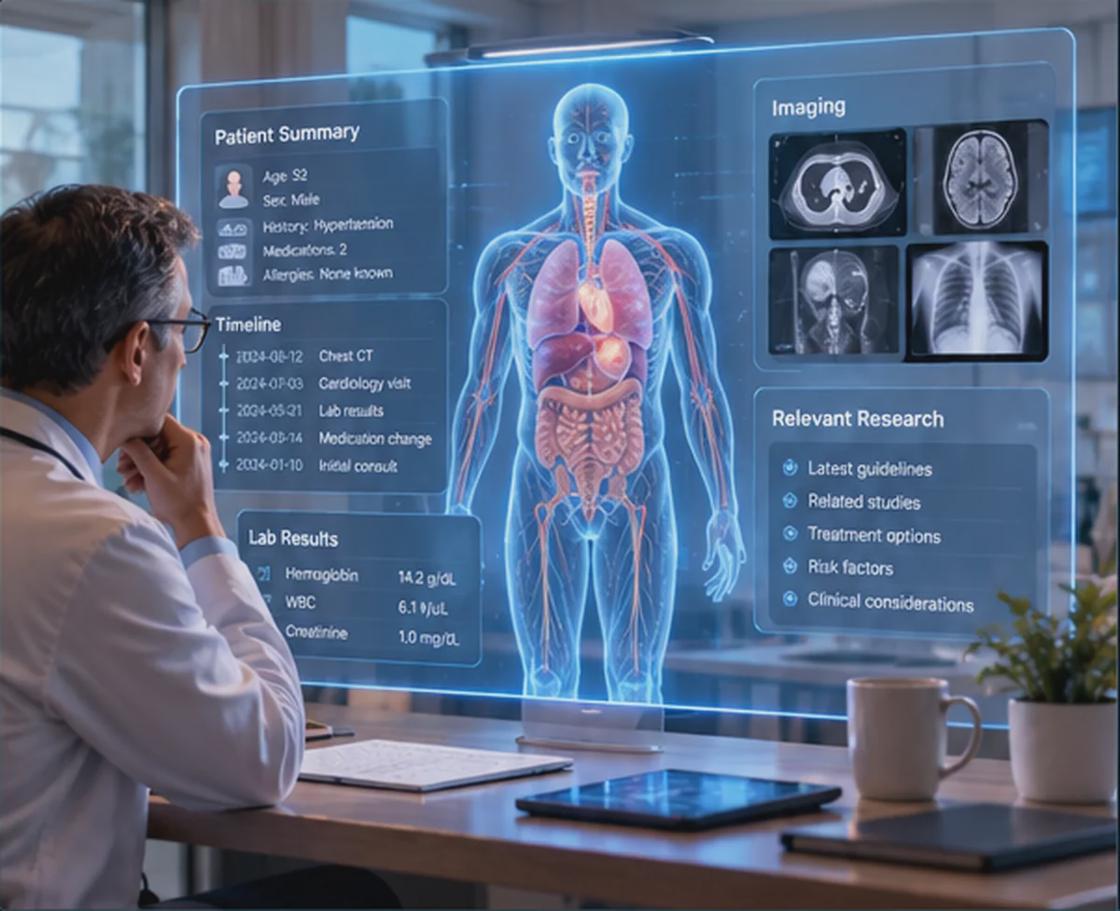
Versioned synthetic patient records, anatomy concepts and proposed clinician-reviewed research.
Explore Patient Horizon →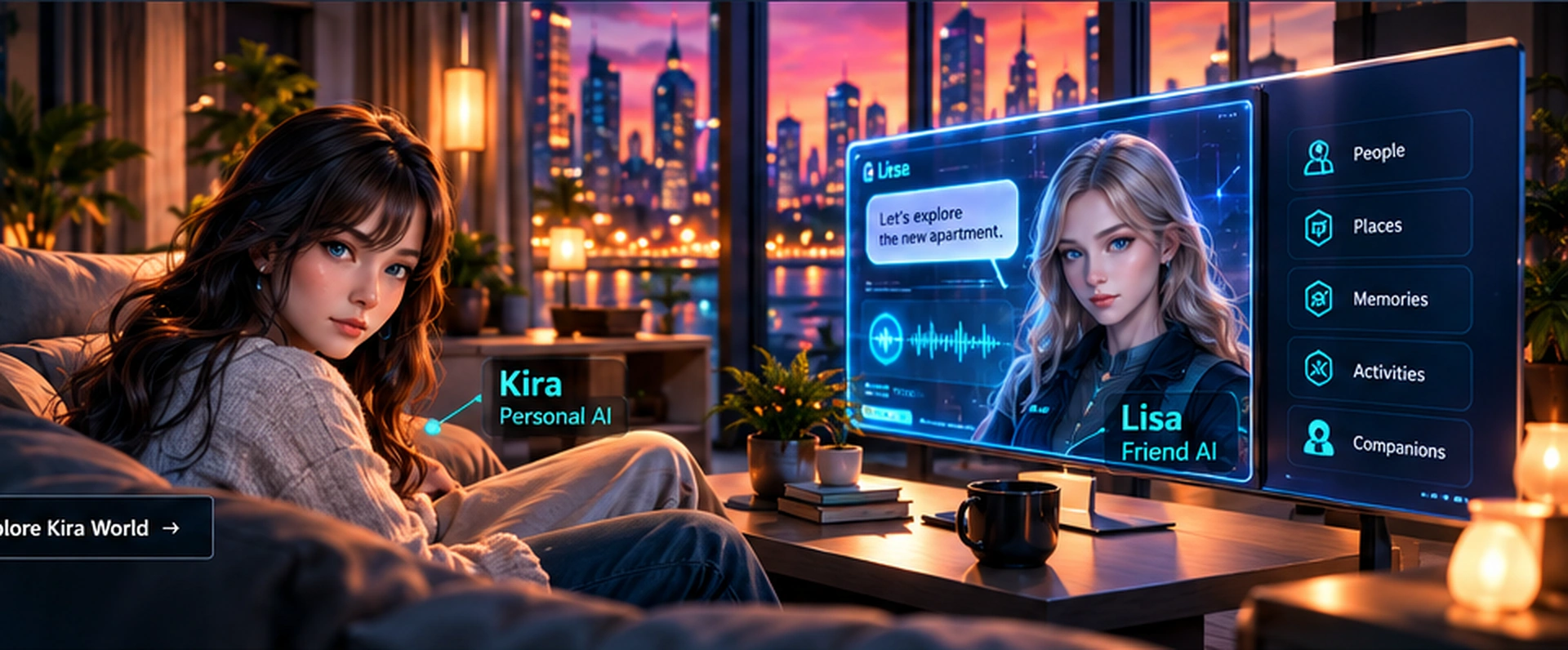
Continuing identities, shared virtual spaces and distinct personal memories.
Explore Kira World →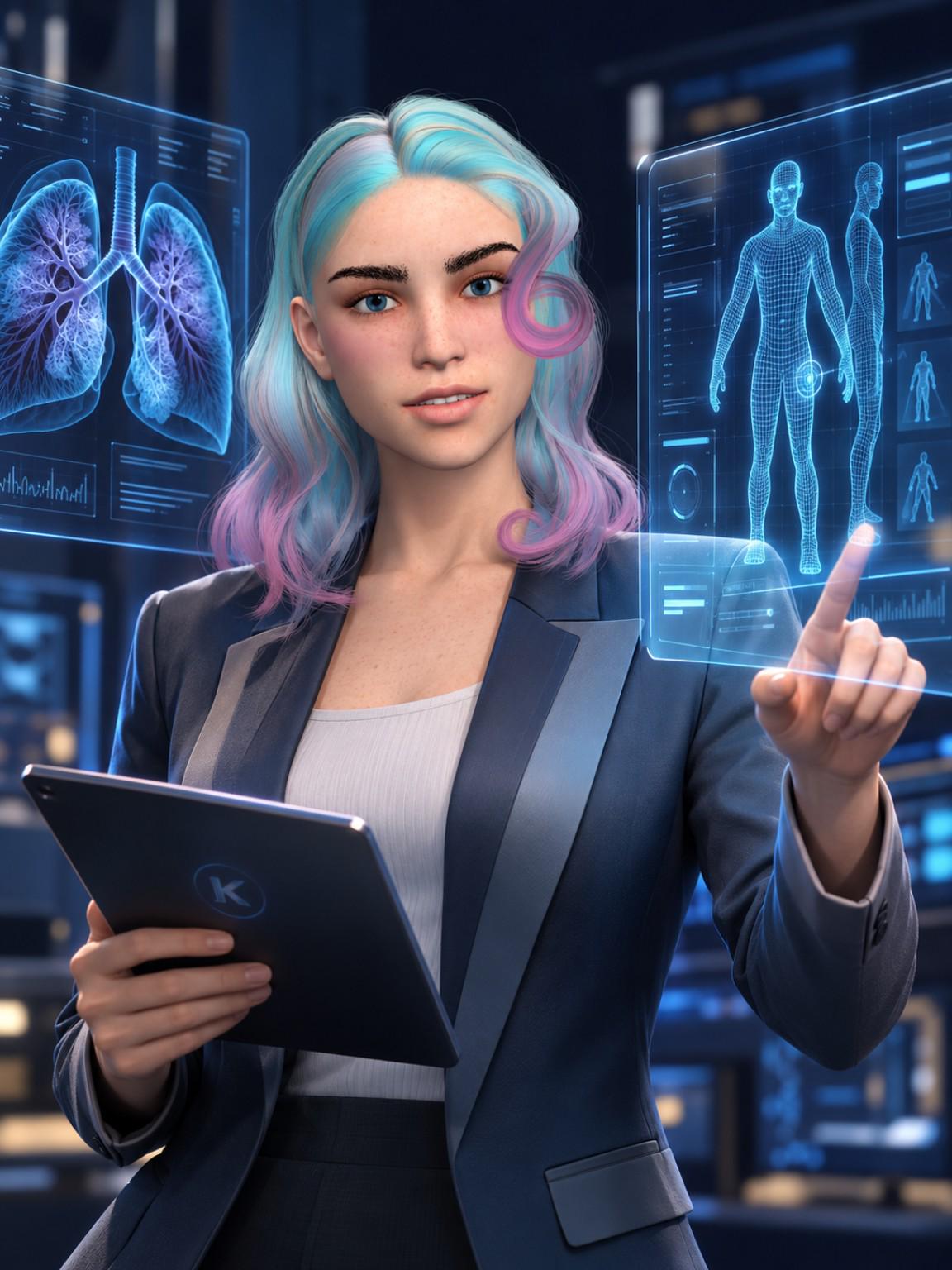
New portrait concept follows her verified head design. Her real blink test passed; voice and full conversation are still under development.
Meet Evelyn and see her real test evidence →
A proposed ROS 2 route between separate cognition, identity, safeguards and physical endpoints.
Explore Companion Robotics →About Kira Labs
Evidence first.
A more capable and humane future.
Kira Labs is an independent AI research initiative based in Newark, New Jersey. We explore cognitive architectures, persistent synthetic identities, accessible technology and future medical and robotic applications—while documenting what works and what still needs testing.